SC asserts power to assess superstition in faith
Supreme Court says it can examine superstition in religion during Sabarimala hearing
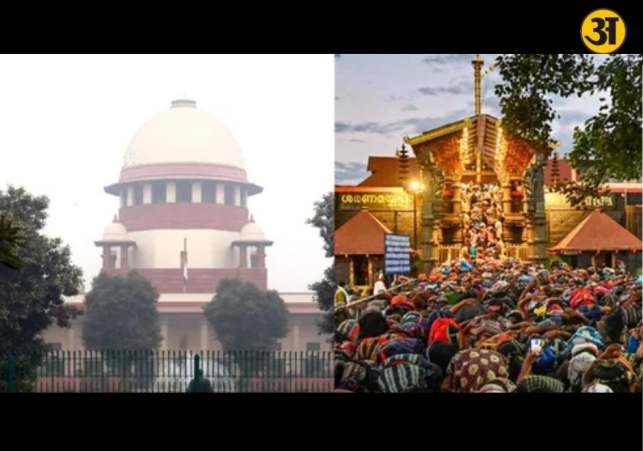
The Supreme Court of India has made an important observation while hearing the long-running Sabarimala case. The court said that it has the power to decide whether a religious practice can be considered superstition. This statement came during arguments in front of a nine-judge Constitution Bench, which is looking at key questions about religious freedom and equality.
The Bench is led by Chief Justice Surya Kant and includes eight other judges. The case is not only about the Sabarimala Temple in Kerala, but also about larger constitutional principles that could affect many religions and practices across India.
At the heart of the matter is how to balance the right to practice religion with other fundamental rights like equality, dignity and justice.
Court and Centre differ on role in defining superstition
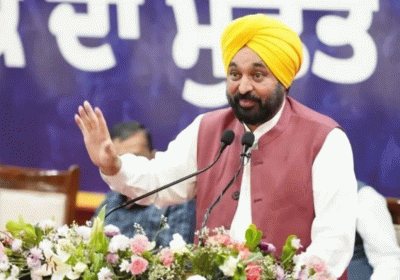
During the hearing, Solicitor General Tushar Mehta, representing the Central government, argued that courts should not decide what counts as superstition in religion. He said that judges are experts in law, not religion, and therefore it should be the job of the legislature to identify and regulate such practices.
He referred to Article 25 of the Constitution of India, which guarantees the right to practice and propagate religion. According to him, the Constitution allows the government to make laws to reform religious practices, especially under Article 25(2)(b), which deals with social reform.
Mehta explained that in a diverse country like India, what may be considered a religious belief in one region could be seen as superstition in another. For example, certain practices might be accepted in one state but rejected in another. Because of this diversity, he argued that elected lawmakers, not judges, should take the final call.
However, the judges on the Bench did not fully agree with this view. Justice Ahsanuddin Amanullah said that the argument was too simple. He stated that the court does have the authority to examine whether a practice is superstitious, especially when it affects people’s rights.
He added that while the legislature can later make laws on the issue, the court cannot be prevented from examining such questions when they come before it. According to him, the judiciary has an independent role and cannot depend entirely on what the legislature decides.
Justice Joymalya Bagchi also raised an important question. He asked what would happen if a harmful practice like witchcraft was claimed to be part of religion. In such a case, if no law exists to deal with it, can the court step in to protect people?
This question highlighted the larger concern: whether courts should intervene when a religious practice affects public health, morality or safety.
ALSO READ: Trump signals possible Iran deal while warning of strong military action
Larger constitutional questions under consideration
The Sabarimala case has gone far beyond the issue of temple entry. It now involves several key constitutional questions. One of the main issues is how to decide what is an “essential religious practice”. This concept is often used by courts to determine whether a practice should be protected under the right to religion.
Justice B V Nagarathna suggested that such decisions should be made by understanding the philosophy of the particular religion. This means courts may need to study the beliefs and traditions of each faith before making a judgment.
Another important question is how far courts can interfere in religious matters. While the Constitution protects religious freedom, it also allows restrictions in the interest of equality, public order, health and morality. The challenge is to find the right balance between these principles.
The background of the case dates back to 2018, when a five-judge Bench of the Supreme Court allowed women of all ages to enter the Sabarimala temple. Earlier, women between the ages of 10 and 50 were not allowed entry due to traditional beliefs associated with the deity.
The court had then ruled that such a ban was discriminatory and violated women’s rights. However, the decision led to widespread debate and protests. Many people argued that the practice was an essential part of the temple’s tradition.
In 2019, another Bench referred the matter to a larger Bench to examine broader constitutional questions. These include whether courts can review religious practices, whether outsiders can challenge them, and how to define constitutional morality.
Now, the nine-judge Bench is focusing on these larger issues before deciding individual cases like Sabarimala.
The outcome of this case could have a wide impact. It may influence other disputes related to religious practices in different communities. It could also shape how courts interpret the relationship between religion and fundamental rights in the future.
As the hearings continue, the case remains one of the most important constitutional debates in recent times. The final decision will likely set a long-lasting precedent for how India balances faith, law and individual rights.
Related News